Ces dernières années, le cours de l’or a atteint des sommets. En ce moment, il n’a jamais été aussi haut. Vous songez à vendre votre or, mais vous ignorez les réglementations à ce sujet ? Vous trouverez ici toutes les informations essentielles sur la vente d’or, des types d’or aux documents nécessaires pour effectuer la transaction.
Les différents types d’or que vous pouvez vendre
Pour optimiser vos profits et éviter les déconvenues, il est crucial de connaître les différentes formes sous lesquelles vous pouvez vendre de l’or. La variété des types d’or facilite leur vente selon leur pureté et leur poids.
Bijoux en or
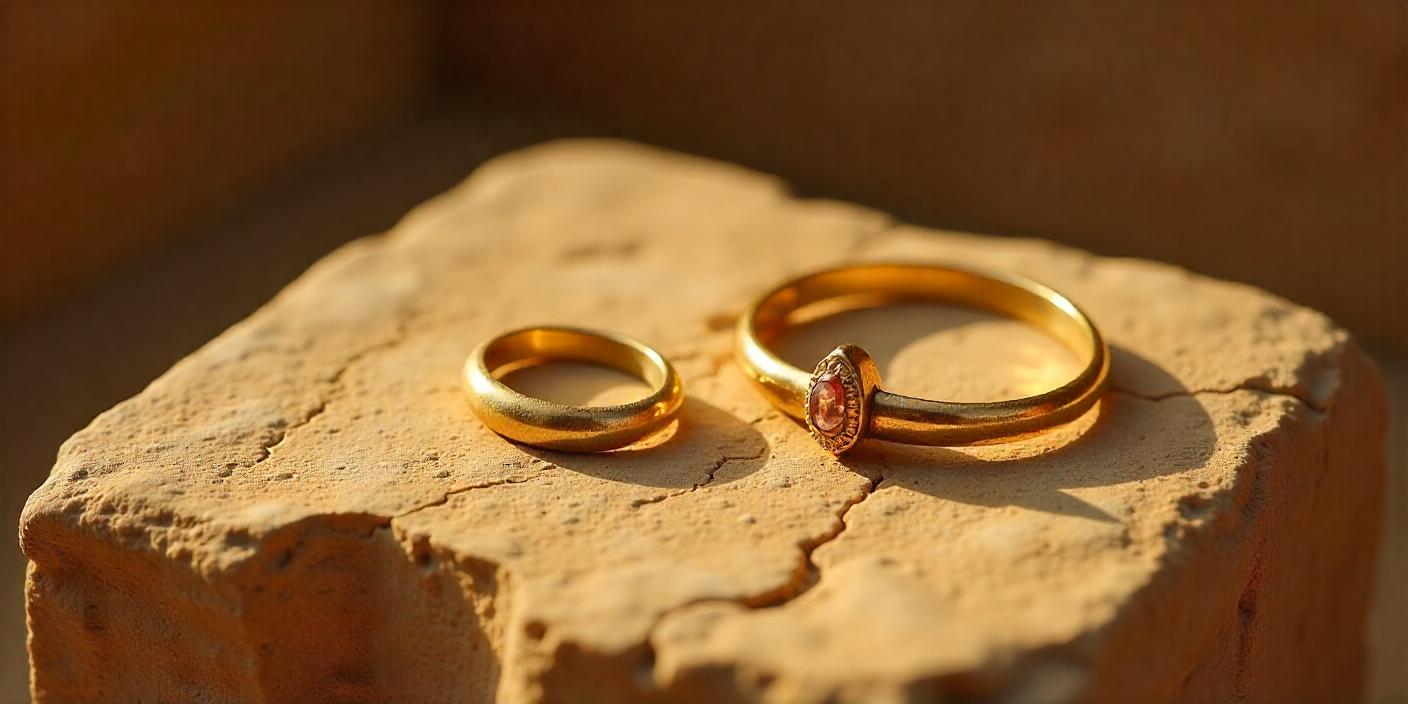
Les bijoux en or, tels que les bagues, bracelets, colliers et boucles d’oreilles, figurent parmi les formes les plus courantes à vendre. La valeur de vente dépend de la pureté et du poids de l’or. Par exemple, l’once d’or est actuellement à 2 666,54 €, mais les bijoux en or contiennent rarement de l’or pur, leur pureté variant de 14 à 24 carats.
Lingots d’or
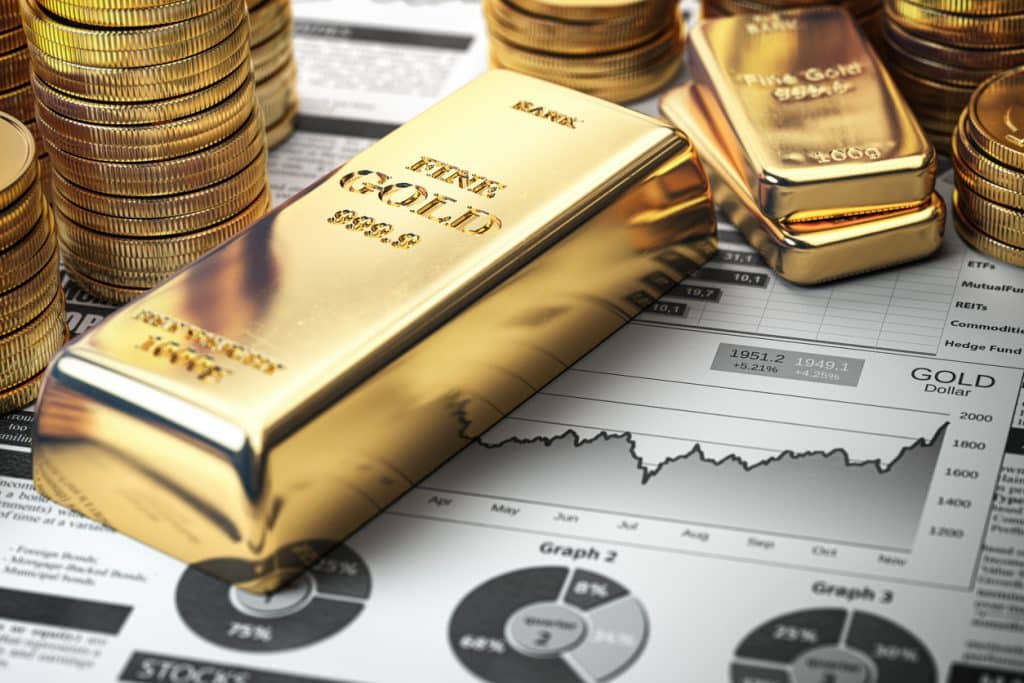
Les lingots ou mini-lingots d’or oscillent entre quelques dizaines de grammes et plusieurs kilos. Ils doivent avoir une pureté de 995 millièmes ou plus pour être considérés comme de l’or d’investissement. Aujourd’hui, le lingot d’or d’un kilo atteint 87 090 €, avec une augmentation récente de 2,34 %.
Pièces d’or
Les pièces d’or, telles que le Napoléon 20 Frs ou la Croix Suisse 20 Frs, doivent afficher une pureté d’au moins 900 millièmes. Elles sont souvent très recherchées. Par exemple, le Napoléon 20 Frs est coté à 519,90 € en ce moment.
Tableau comparatif des différents types d’or
Voici un tableau récapitulatif pour illustrer clairement les différences de pureté, de poids et de valeur des diverses catégories d’or disponibles à la vente :
| Type d’or | Poids | Pureté | Notes spécifiques |
|---|---|---|---|
| Bijoux en or | Variable | Variable | Facile à vendre |
| Lingot d’or | De plusieurs grammes à kilos | ≥ 995 millièmes | Très valorisé |
| Pièces d’or | Variable | ≥ 900 millièmes | Demandé |
Les documents nécessaires pour vendre de l’or
Pour mener une transaction de vente d’or en toute légalité, plusieurs documents et pièces justificatives sont indispensables. Voici ce que vous devez avoir sous la main :
Pièce d’identité
Vous devez être majeur et présenter une pièce d’identité valide à votre nom (passeport ou carte d’identité). Cela permet de vérifier l’identité du vendeur et d’éviter les ventes illégales.
Photocopie de la pièce d’identité
Une copie de votre carte d’identité ou passeport est requise pour certifier la revente. Ce document est vital pour garder une trace légale de la transaction.
Certificat d’authenticité
Obligatoire pour vendre des lingots ou des pièces, ce document certifie leur pureté et origine. Cela assure la qualité et l’authenticité des éléments en or vendus.
Liste des documents nécessaires
- Pièce d’identité valide
- Photocopie de la pièce d’identité
- Certificat d’authenticité
FAQ sur la vente d’or
Préparez-vous à répondre à vos interrogations les plus fréquentes sur la vente d’or avec des réponses claires et complètes :
Doit-on intégrer la vente de son or à sa déclaration sur le revenu ?
Non, mais la taxe sur les métaux précieux ou l’impôt au titre de la plus-value mobilière peut s’appliquer. Ces taxes varient selon les régulations locales et la valeur de la vente.
Quelle est la fiscalité de l’or ?
La vente d’or est encadrée par une réglementation spécifique et l’achat d’or sous forme de pièces et lingots est exempt de TVA. Toutefois, des taxes spécifiques aux métaux précieux peuvent s’appliquer.
Pour maximiser vos profits et respecter les réglementations locales, découvrez où vendre son or au meilleur prix en Europe : guide pour un choix avisé.
Pour bien vendre vos pièces historiques, découvrez la valeur d’un louis d’or Napoléon 20 francs 1857 : comprendre, estimer et sécuriser votre transaction.
Existe-t-il une taxe sur la vente d’or ?
Oui, la taxe forfaitaire de 11,5 % ou l’impôt au titre de la plus-value mobilière peut s’appliquer. Ces taxes se basent généralement sur la valeur brute de la vente.
Comparatif des différents types d’or
Pour vous aider à choisir le type d’or à vendre, voici un comparatif détaillé des différentes options disponibles avec leurs caractéristiques spécifiques :
Tableau récapitulatif des différents types d’or
Comparez les bijoux en or, les lingots d’or et les pièces d’or en fonction de leur poids, leur pureté et leur valorisation sur le marché :
| Type d’or | Poids | Pureté | Notes spécifiques |
|---|---|---|---|
| Bijoux en or | Variable | Variable | Facile à vendre |
| Lingot d’or | De plusieurs grammes à kilos | ≥ 995 millièmes | Très valorisé |
| Pièces d’or | Variable | ≥ 900 millièmes | Demandé |